
There is always a moment, somewhere in the first afternoon, when a person stops presenting themselves.
It doesn't happen on command. You can't schedule it or design it as an activity. It happens when the accumulated conditions of the place make performance feel pointless — when the mountain is too quiet, the group too real, the space too honest for the usual self-management to bother.
I've watched it happen over and over at the Ihya retreats. Someone who arrived holding their identity — coach, executive, expert, together-person — will suddenly look different. Not broken. Quieter. As if something they'd been carrying without knowing it has been set down.
That is the moment the real work becomes possible.
We are, most of us, in a more or less continuous state of performance. Not performance in the cynical sense — not pretending to be something we're not. Something more subtle and more universal: the ongoing management of how we appear to ourselves and to others. The internal narration that runs alongside every experience, monitoring, editing, presenting.
This management is not pathological. It is adaptive. It allows us to function in complex social and professional environments. It protects us from our own vulnerability. In many settings, it is exactly what's required.
But it has a cost. When the management layer is always on, we lose access to the data underneath it. The physical signals that arise before the narrative forms. The sensations that precede the emotion. The quiet knowing in النَّفْس — the living self — that is trying to orient us before the mind jumps to its conclusions.
In ordinary life, there is almost no space to hear that layer. We move too fast. We are surrounded by too much stimulation, too many demands on attention, too many competing priorities. The body speaks constantly; we have simply stopped listening.
I designed Ihya with one purpose: to create conditions in which that listening becomes available again.
Not through instruction. Not through a curriculum of somatic techniques delivered in a workshop room. Through immersion — in a place that itself slows something down, with a group small enough that authentic contact becomes unavoidable, over enough consecutive days that the habitual performance pace simply exhausts itself.
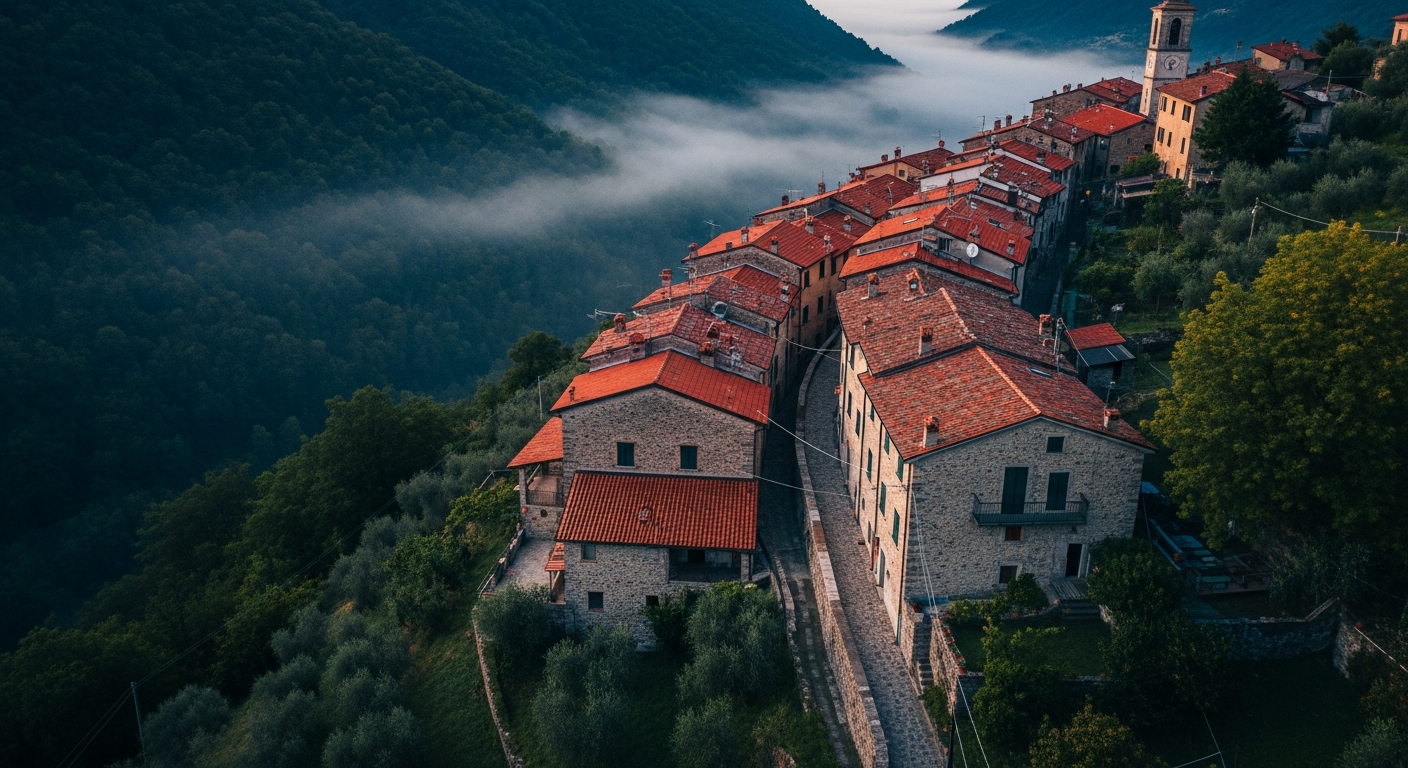
The mountains work. There is something about altitude and silence and the particular quality of Italian light in summer that dismantles pretension more effectively than any facilitated exercise I've designed. By day two, people stop talking about what they do and start talking about what they feel. By day three, something in the group field shifts — a collective permission to be less managed, more honest, more present.
It is in this state that التفكير الحسّي — Somatic Thinking® — does its deepest work. Not because I'm delivering better content than I would in a webinar, but because the participants are available to it in a way that ordinary schedules don't permit. The إشارات حسّية جسدية — the physical signals the body carries — are accessible in a way they rarely are when you're between meetings or managing a full inbox.
I want to be careful about what I am not claiming.
This is not wellness tourism. I'm not describing four days of journaling by a pool and calling it transformation. The work at Ihya is demanding. Sitting with your own patterns in a group of people who are also sitting with theirs — without the buffer of performance, without the option of politely moving the conversation somewhere safer — is genuinely challenging.
There will be sessions where something you've been avoiding has nowhere left to hide. There will be moments of stillness so complete that they become uncomfortable. There will be conversations that you couldn't have had with anyone in your regular life — not because the people in your life don't care about you, but because they are inside your narrative in a way that makes certain kinds of honesty almost structurally impossible.
Ihya creates the structural conditions for those conversations. And those conversations — the ones that become possible only when the performance drops — are the ones that change something.
I know the kind of person this retreat is right for.
They are not broken. They do not need saving. They are, by most measures, doing well — functioning effectively, contributing meaningfully, living a life that makes sense from the outside.
But they carry a quiet awareness that something essential has been backgrounded. That the pace of their life has outrun their capacity to be fully present to it. That the quality of their inner experience does not match the quality of their outer performance. And that somewhere — not in a webinar, not in a self-help book, not in another certification — something needs to stop and be heard.
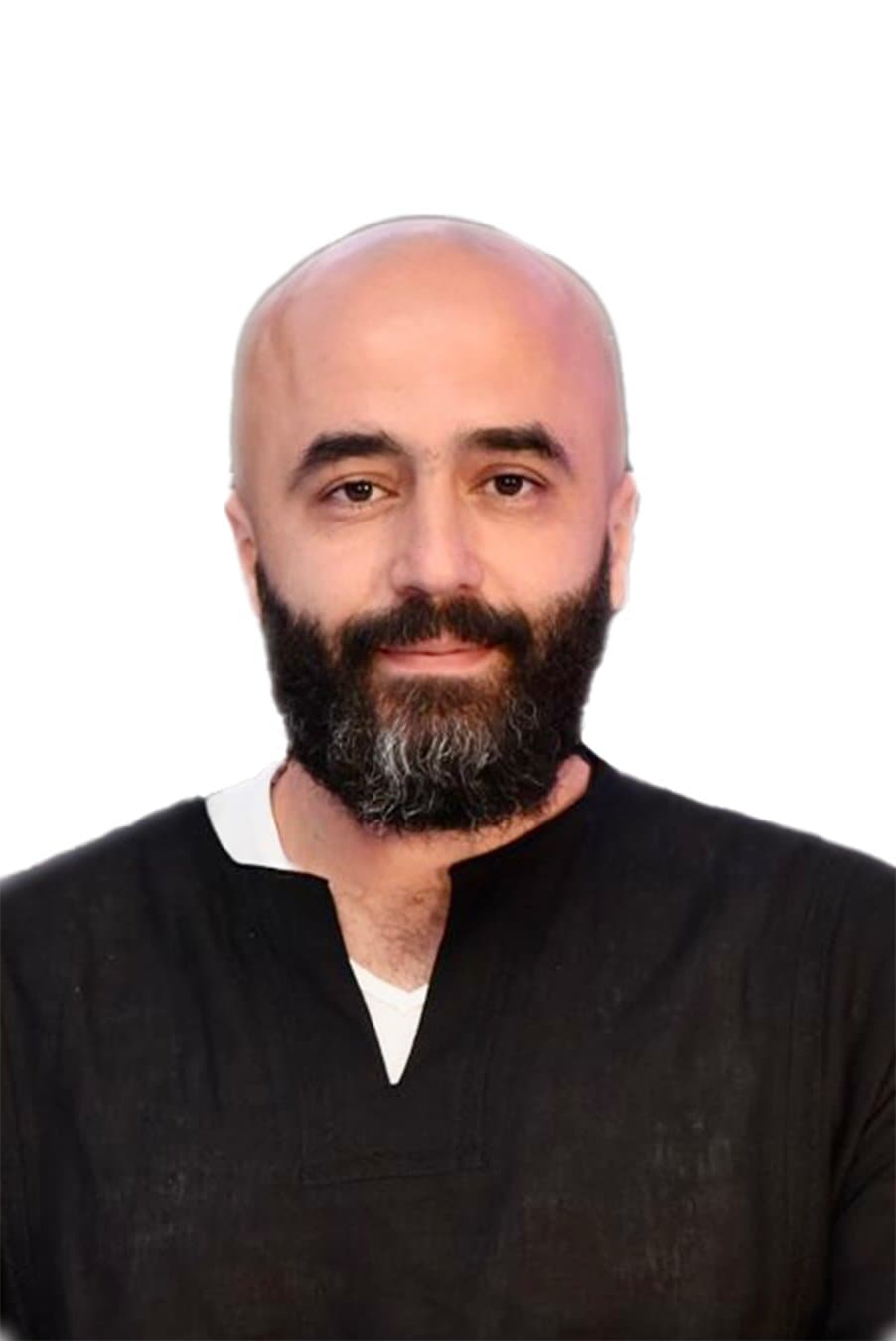
Ihya is for that person. And I am running it this August, in Italy, with a group of fifteen.
We are nearly full. If something in this landed for you, the waitlist is open. It takes thirty seconds to put your name on it.
The mountain will do most of the work. I just create the conditions.