
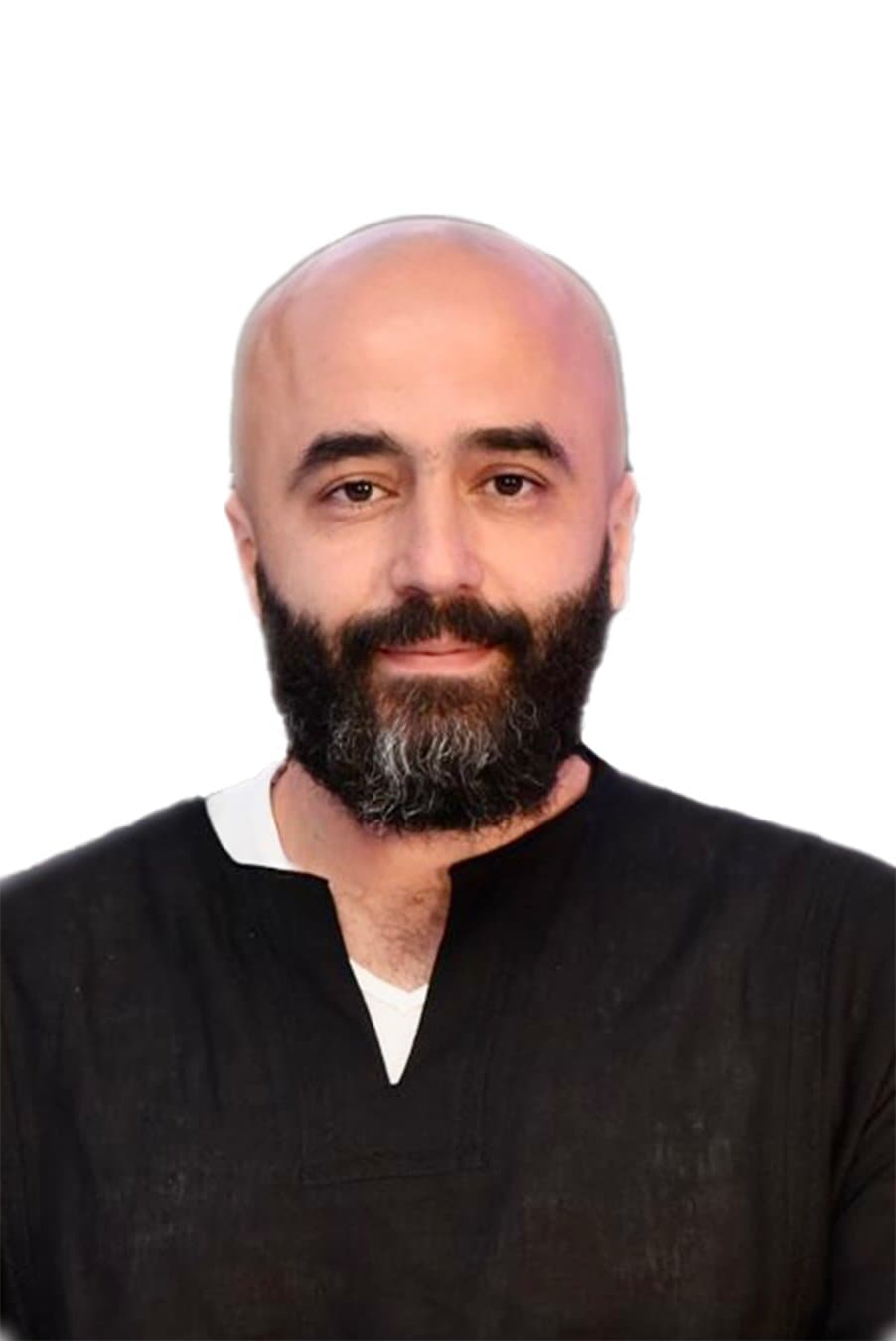

I have a complicated relationship with the credential that defines my public identity.
Master Certified Coach. MCC. The highest designation the International Coaching Federation awards. Held by fewer than 5% of professional coaches globally. I was the first native Arabic speaker in the world to earn it.
That last part — "the first Arab MCC" — has become the short sentence most people use to introduce me. It appears in every bio, every event invitation, every interview opener. And it is true, and I am proud of what it represents.
But I want to talk honestly about what it doesn't mean. And about what happened to my understanding of coaching in the years after I earned it.
When I was working toward the MCC, I had a belief that I think most serious coaches carry: that mastery is primarily a question of accumulated hours, refined technique, and demonstrated competency across a range of complex situations. Accumulate enough of the right kind of experience, and something essential crystallizes. You become capable in a way that junior coaches are not.
And there is truth in this. Ten thousand professional coaching hours do change something. The repertoire expands. The tolerance for complexity deepens. The capacity to stay present in a difficult session strengthens.
But the credential also revealed something uncomfortable: the system I had mastered was measuring one kind of excellence while remaining largely silent about another.
The ICF framework is organized around competencies. Presence. Active listening. Powerful questioning. Direct communication. Accountability. These are real capacities and developing them matters. But a framework built on competency assessment is, at its core, still organized around performance — the coach's performance, evaluated against a standard. And the deepest question in coaching — what am I actually providing, beyond skilled conversation? — sits somewhere outside what a competency rubric can fully reach.
I earned the MCC. And then I spent the next decade trying to understand what I'd missed.
Here is what ten thousand hours taught me that no credential measures.
The coaches who create the deepest impact are not the most technically refined. They are the most genuinely present. And presence — full, embodied, undivided presence — is not a competency. It is a state of being. It is what happens when a coach has done enough inner work that they are not performing coaching at the client, but actually inhabiting the encounter with them.
The difference between these two things — performing coaching and inhabiting the encounter — is felt immediately. Every client knows it, even if they lack language for it. The session that feels like a technical interaction versus the session where something genuinely shifts. The coach who asks good questions versus the coach in whose presence you discover something you couldn't see before.
What produces the second kind? Not more technique. Not better questions. A different quality of presence — built on self-awareness, on a disciplined relationship with النَّفْس, the living self, and on the capacity to be genuinely moved by what is happening in the room without losing your center.
This is what الحضور — true coaching presence — means in التفكير الحسّي. Not an accessory to the coaching. The medium through which coaching happens.
I want to be clear: I am not arguing against credentials. The MCC matters. ICF accreditation matters. Professional standards protect clients, dignify the work, and filter out the improvised and irresponsible. I believe in them. I built my school on them. Kun Coaching Academy offers ICF-accredited programs precisely because the credential represents a real commitment.
But a credential is, at best, a floor. It tells you that someone has met a defined standard of professional competency. It does not tell you about the quality of their presence. It does not tell you whether they have done the work on their own النَّفْس that enables them to serve without projecting, to listen without fixing, to stay without disappearing.
That work doesn't happen in a competency assessment. It happens in the hours of real coaching, in the reflective practice, in the willingness to be a student of your own patterns for as long as you're in the profession. The MCC confirmed my floor. What has mattered more is everything I've built on it.
I think about this a lot as Manhajak — the coaching program I consider the most important work Kun does — prepares for its September cohort.
The coaches who graduate from Manhajak leave with an ICF-accredited certification. But what I care most about is something harder to measure: whether they leave with a living, practiced, expanding capacity to be genuinely present with another human being. Whether their credential becomes a floor they build on, not a ceiling they rest under.
The first Arab MCC is a historical fact that belongs to me. What I try to give forward is something different: a methodology and a formation process that produces coaches who outgrow their credentials — the way all real development requires outgrowing the thing you worked hardest to achieve.
If that is the kind of coaching development you are looking for, the September cohort of Manhajak is opening soon. Applications are being reviewed now. I'd be glad to have a conversation about whether it's the right fit.
The credential gives you a starting point. The work makes you who you become.